
Retail & consumer
Where should we open next?
The wrong “where” is a store, a branch or a warehouse committed on gut feel.
Asked by expansion and network planning teams





































































The hard decisions
Retail & consumer
The wrong “where” is a store, a branch or a warehouse committed on gut feel.
Asked by expansion and network planning teams
Networks & utilities
Four teams, one network, four different answers, and none of them current.
Asked by fibre, gas, power and water operators
Cities & government
A city cannot fix what it cannot see, and most of it is never measured.
Asked by traffic police and city authorities
Different industries. Different decisions. The same question underneath them all.
Proof

300,000+ km of fibre. We built them a single source of truth.
NetworkAccess
Pune could see 5% of its roads. Now it sees 964.
TraffiCure

Samsung could not see where their retail network was failing.
SmartMarket
Nation-scale programme
Powering the world's largest rural broadband programme. Lepton's geospatial platform underpins network planning, survey, GIS and operations across 250,000+ gram panchayats.
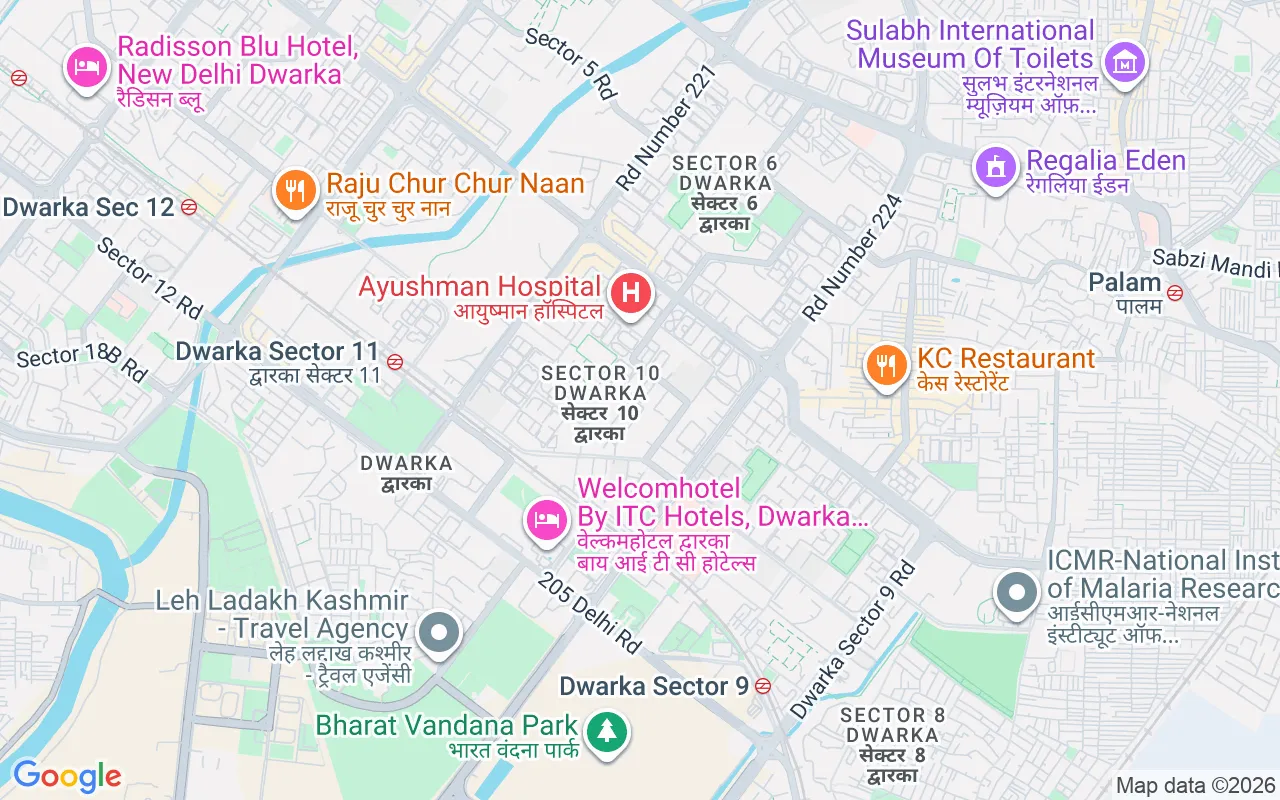
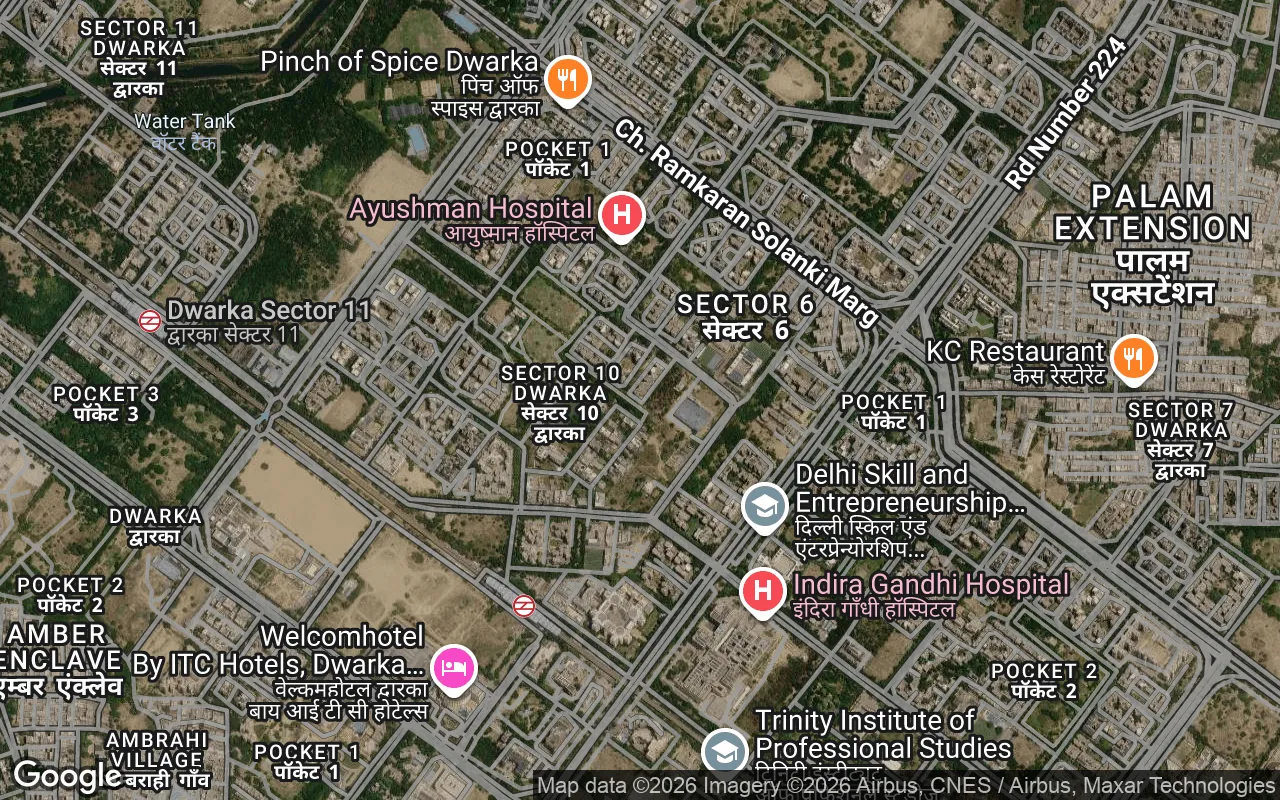
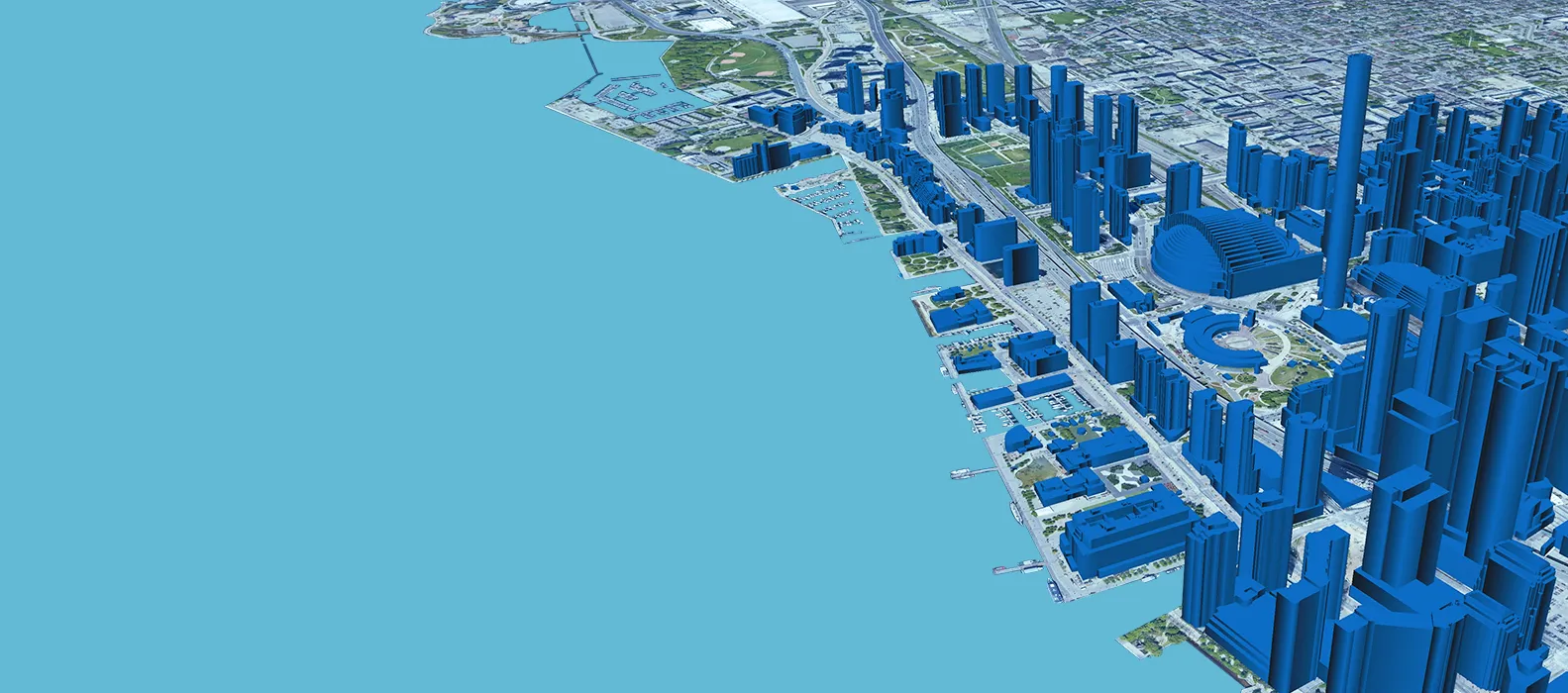
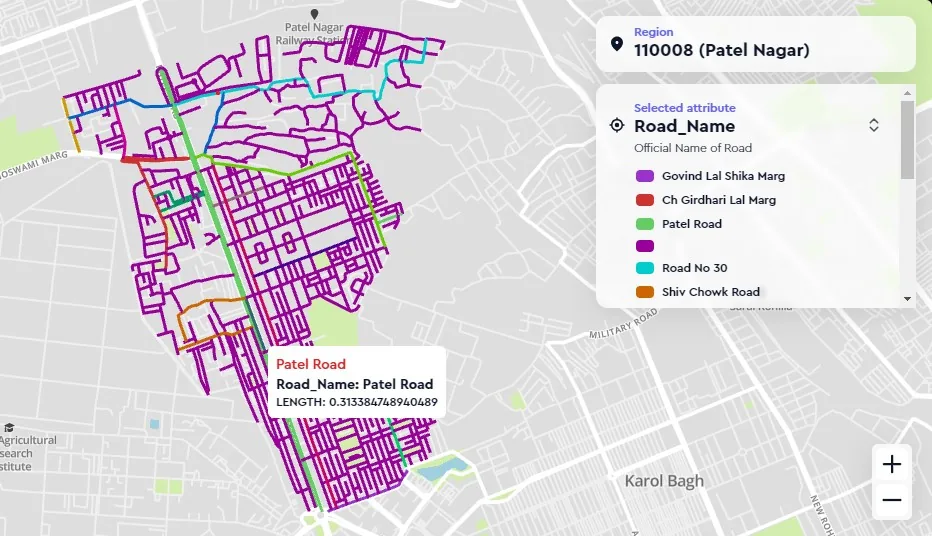
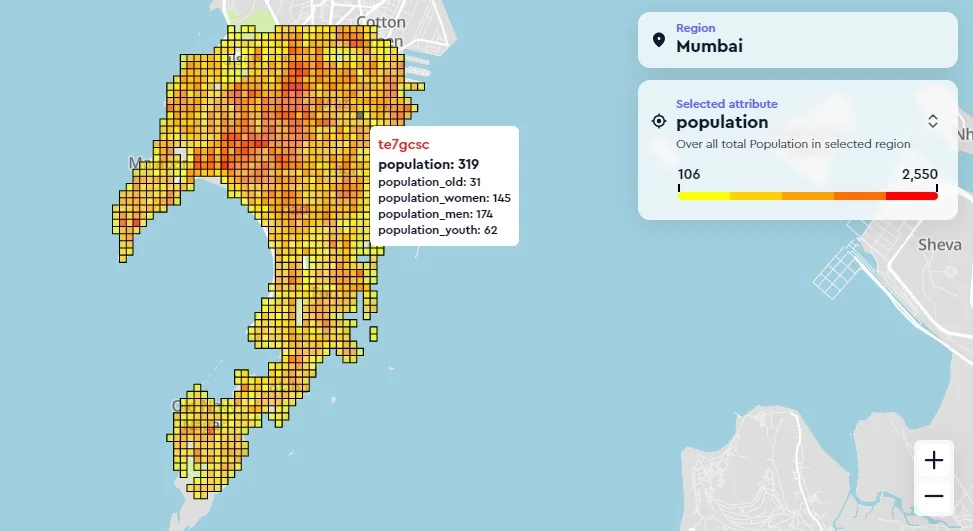
Every Lepton product sits on the layer below it. Point at one to isolate it, open it to use the real thing.
…or your own.
Scoring
| Component | Weight | Sub-score | Points |
|---|---|---|---|
| Composite |
 Google Maps Platform
 15+ years
Asia's largest Google Maps Platform Premier Partner
See what we build on itCustomer stories
Sachin Deshpandey
CTO, Tata Play Fibre
NetworkAccess
Palash Bhattacharya
Samsung
SmartMarket
Parag Inamdar
TVS Motor
Google Maps Platform
Red Taxi
Google Maps Platform case study
Google Maps Platform
Safaricom
NetworkAccess deployment
NetworkAccess
Jamal
Omantel
NetworkAccess
Tata Communications
NetworkAccess deployment
NetworkAccess
Africa Digital Connect
NetworkAccess deployment
NetworkAccess
TechnoTree
Delivery partner
NetworkAccess
Edwin
Delivery partner
NetworkAccess
News & insights
Industry
Master the transition to Google Geocoding v4. Learn how AI-powered summaries and destination intelligence solve the "last-meter" problem for delivery and logistics. Explore the new SearchDestinations endpoint, Gemini-generated context, and migration strategies for 2026.
Read
fiber
What is brownfield deployment? Discover how telecom operators modernize legacy networks, optimize telecom infrastructure, and improve fiber network planning.
Read
urban-traffic-management
6 of Top 10 Most congested Asian cities are Indian (TomTom 2025) 80% + Of road network invisible to camera-based ITMS 0 of 100 Smart city ITMS deployments with predictive
Read
Get started
Tell us the location problem. We'll show you the data and the product that solves it.
A specialist will reach out within 48 hours, with the relevant data ready.
Need something sooner? Write to info@leptonsoftware.com.